
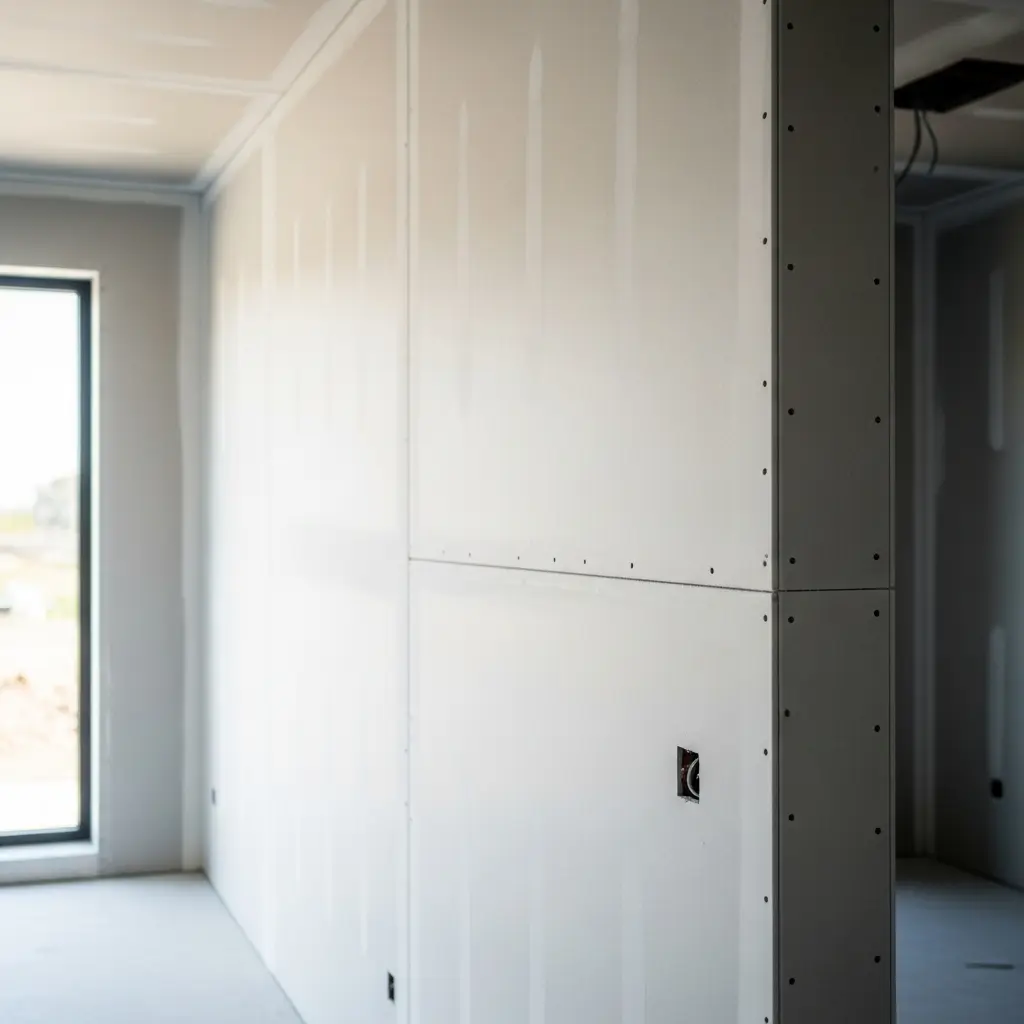
If you have got a doorknob-sized hole, a spidering crack above a window, or a water stain spreading across the ceiling, the first question is almost always the same: what is this going to cost? In San Antonio, most drywall repairs land somewhere between $200 and $750, with the average homeowner spending around $500 for a professional patch and finish. But that range is wide for a reason, and understanding what drives it will help you budget accurately and spot a fair quote.
Average Drywall Repair Cost in San Antonio
Across the San Antonio and greater Bexar County market, professional drywall repair generally runs $200 to $750 for a typical single-area job, with $500 being a reasonable midpoint. When pros price by area rather than by the job, local rates for materials plus labor tend to fall between roughly $2.90 and $5.60 per square foot. Square-foot pricing usually only kicks in for larger damaged sections; a single small patch is almost always quoted as a flat job.
These are estimates, not fixed prices. Two homes on the same street can get different quotes for what looks like the same hole, depending on wall texture, paint, access, and whether the underlying cause has been addressed. The figures here reflect current San Antonio and broader Texas market data and are meant to set expectations before you request an on-site estimate.
Cost Breakdown by Type of Repair
The single biggest driver of price is what kind of damage you are dealing with. Here is how common San Antonio repairs typically break down:
- Small holes (nail pops, anchor holes, doorknob dings under ~4 inches): roughly $150 to $500, often handled in a single visit.
- Medium holes (fist-sized, 4 to 12 inches, needing a backing patch and multiple compound coats): about $200 to $500.
- Large holes or full panel sections (over 12 inches, requiring new drywall): $500 to $800 or more, sometimes priced at $50 to $75 per square foot.
- Cracks (settling cracks, stress cracks over doors and windows): $350 to $1,000+, depending on length and whether they keep reopening.
- Ceiling drywall repair: $350 to $1,500+, since overhead work is slower and often involves inspecting insulation.
- Water-damaged ceilings and walls: commonly $400 to $1,200 to cut out, replace, and refinish the affected area.
A crack is worth a special note. Hairline cracks are cheap to skim and paint, but if a crack keeps returning it may be a symptom of foundation movement, which is common in San Antonio's expansive clay soils. In that case the drywall repair is only the cosmetic finish; the underlying movement is a separate issue that should be evaluated before you keep patching the same spot.
Labor Rates and Minimum Fees
Labor is usually about half of any drywall repair bill. In the San Antonio area, drywall labor typically runs $40 to $100 per hour. Independent handypeople sit toward the lower end (around $60 per hour) and are cost-effective for small holes and nail pops, while dedicated drywall contractors often charge closer to $90 per hour and are the right call for larger holes, ceilings, texture work, and anything structural.
Expect a minimum trip or service fee of roughly $125 to $200 on smaller jobs. This is why fixing one small hole rarely costs $30 even though the materials are a few dollars: a pro still has to travel, set up, apply multiple coats over more than one day (compound has to dry between coats), and clean up. If you have several small repairs, batching them into one visit spreads that minimum fee across more work and lowers your effective cost per patch.
What Makes the Price Go Up
Beyond the size of the damage, a handful of factors reliably move a quote. Knowing them helps you understand why estimates differ:
- Ceilings vs. walls: overhead work runs roughly 30 to 50 percent more, because compound sags against gravity and the work is slower and harder on the crew.
- Texture matching: blending a patch into orange peel, knockdown, or other San Antonio-common finishes takes skill and specialized tools, and adds to the job.
- Popcorn ceilings: patching textured ceilings often runs $50 to $100 per square foot or $200 to $600 for holes and seams; matching aged popcorn is notoriously difficult.
- Asbestos risk: homes built before the early 1980s may have asbestos in popcorn ceilings, and certified removal can add $4 to $20 per square foot.
- Paint matching: blending the repair into surrounding paint frequently adds around $125, and sometimes a full wall needs repainting for a seamless look.
- Access and height: tall stairwell walls, vaulted ceilings, and tight spots under cabinets require ladders or scaffolding and extra time.
Fixing the Cause Before the Patch
The most expensive surprise in drywall repair is discovering the damage has an active source. A brown ring on the ceiling usually means water is getting in from a roof leak, a failed shower pan, or a leaking supply line upstairs. Patching over it without fixing the leak guarantees a repeat repair, plus the risk of mold behind the wall. A reputable contractor will identify the source, make sure it is addressed, and check for hidden moisture before closing everything up. That extra diligence costs a little more up front but saves you from paying twice.
Getting an Accurate Quote
Because so much depends on texture, access, and cause, the only way to get a reliable number is an in-person or photo-based assessment. When you request a quote, mention the size and number of damaged spots, whether it is a wall or ceiling, the texture type, and anything you know about the cause (a past leak, settling, a moved appliance). That context lets a contractor give you a tight estimate instead of a wide guess, and it helps you compare bids on equal terms.
If you would rather skip the guesswork, TexPro Contracting provides drywall repair in San Antonio with clear, itemized estimates, texture and paint matching, and honest guidance on whether a spot needs a quick patch or a deeper fix. As a licensed and insured general contractor with more than 18 years of experience serving San Antonio, Boerne, New Braunfels, Cibolo, Helotes, and Schertz, TexPro can handle everything from a single doorknob hole to a full water-damaged ceiling, and can address the underlying cause so the repair lasts.
Frequently Asked Questions
How much does it cost to fix a small hole in drywall in San Antonio?
A small hole, like a doorknob ding or anchor hole under about four inches, typically costs $150 to $500 in San Antonio. The price reflects the contractor's minimum trip fee (usually $125 to $200), multiple compound coats that must dry between applications, and texture and paint matching, not just the few dollars of materials involved.
Why is drywall ceiling repair more expensive than wall repair?
Ceiling repairs usually cost about 30 to 50 percent more than the same-size wall repair. Overhead work is slower and physically harder, joint compound sags against gravity so it needs more careful application, and crews often have to inspect or remove insulation and check for moisture above the damaged area. Water-damaged San Antonio ceilings commonly run $400 to $1,200.
Should I hire a handyman or a drywall contractor?
For small holes, nail pops, and hairline cracks, a handyman (around $60 per hour) is usually the cost-effective choice. For large holes, full panel replacement, ceiling work, texture matching, or water and settling damage, a dedicated drywall contractor (around $90 per hour) is worth the higher rate because the finish quality and cause diagnosis matter more.
Does texture matching or a popcorn ceiling increase the cost?
Yes. Matching common San Antonio textures like orange peel or knockdown takes skill and adds to the labor. Popcorn ceilings are harder still, running $50 to $100 per square foot or $200 to $600 for holes and seams. If your home predates the early 1980s, the popcorn may contain asbestos, and certified removal can add $4 to $20 per square foot.
Why does one small drywall patch cost more than the materials suggest?
Materials for a small patch are only a few dollars, but the price reflects labor and process. A pro charges a minimum service fee of roughly $125 to $200, has to travel and set up, applies several coats of compound that must dry between applications (often across two days), matches the texture and paint, and cleans up. Batching several small repairs into one visit lowers your cost per patch.
Should the water leak be fixed before repairing the drywall?
Absolutely. A water stain means moisture is still getting in, often from a roof leak or a plumbing line. Patching over it without fixing the source guarantees the damage returns and risks mold growing behind the wall. A good contractor identifies and addresses the cause, checks for hidden moisture, and only then closes up the wall, which prevents paying for the same repair twice.